

WASHINGTON—Only electronic methods guarantee the rapid disbursement of CARES Act funds to American families in a safe and secure manner, CUNA, NAFCU and other financial trade organizations wrote to the Treasury.
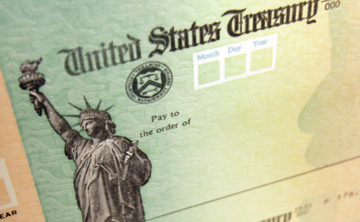
Those CARES Act funds are a reference to the $1,200 checks most Americans are expected to receive beginning this month as part of the effort to provide help during the coronavirus pandemic.
“Checks are slow to print and mail, expensive to deliver, prone to being lost, stolen, forged, and altered, and have privacy and environmental implications that electronic payments have overcome through American innovation,” the letter reads. “Our strongest recommendation, as private sector payments practitioners, is that paper checks be viewed as a last resort or use of checks is avoided completely.”
The organizations also expressed fear that underbanked Americans will turn to “expensive check cashers or unscrupulous lenders,” which will dampen intended stimulus effects.
Recommendations Made
CUNA, NACU and the other organizations made several recommendations for Treasury, including:
- Maximize automatic direct deposit
- Perform a comprehensive combing of government data, including information provided to the Internal Revenue Service, to find more direct deposit disbursements
- Encourage those who do not have current direct deposit information on file with the government to visit the sign-up portal the SBA is creating and educate the public that their payments could take five-plus weeks by check versus a few business days by direct deposit
- Leverage all other public and private sector electronic payment channels to make remaining funds deliveries, including new prepaid/virtual cards
- Use the agency’s awareness campaign and portal to encourage unbanked consumers to open affordable checking accounts
- Ensure payments are accurately sent only to open accounts, saving Americans from undue delay and confusion from misdirected payments
- Include key features to prevent fraud, including matching, clear markings, should checks be issued
- Use technology to prevent double-deposit, copied checks, remote deposit fraud, etc. by making a simple, real-time positive pay application available to financial institutions, other check processing entities and law enforcement to validate the name, amount, and check number of economic impact payments when the recipient is at the bank location or in a subsequent fraud investigation
- Create a complete indemnification and safe harbor from chargebacks on relief payment checks where credit unions have exercised ordinary care and/or regulator guidance is a necessary step to encourage broad acceptance of checks, particularly from new accountholder and non-customers
- Ensure private-sector payments participants (including credit unions, banks, retailers, payments processors, cash transporters, ATM operators, government agencies) remain informed about key milestones such as planned disbursement dates, so that their cash management teams can optimize cash logistics