BOCA RATON, Fla.–The cost of compliance with financial crime-related laws has risen 99% for financial institutions, according to a new study.
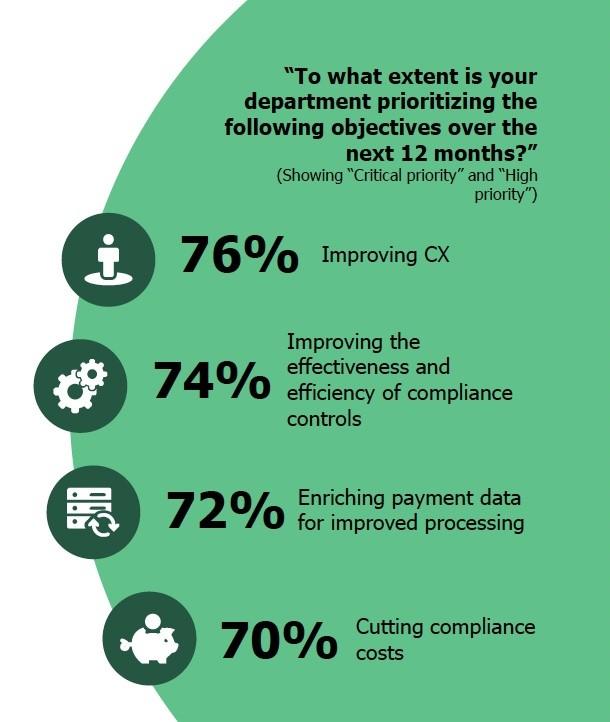
And 70% of financial institutions will prioritize cutting compliance costs in next 12 months, according to LexisNexis Risk Solutions new True Cost of Financial Crime Compliance Study – U.S. and Canada.
The total cost of financial crime compliance in the U.S. and Canada has reached $61 billion, the analysis found.
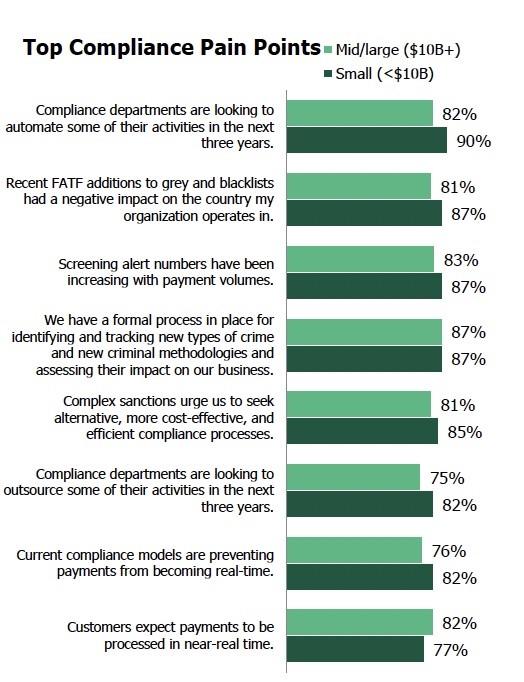
“The challenge of keeping up with the complex sanctions environment is intensifying, leading financial institutions to confront a growing screening workload,” LexisNexis Risk Solutions said. “At 83% of mid and large-sized organizations and 87% of small organizations (holding less than $10 billion in assets), the number of screening alerts has increased.”
The Key Findings
According to the company, key findings in the survey include:
- Technology costs are driving increases in expenses for financial institutions, emphasizing the substantial investment required to meet stringent compliance requirements. “Specifically, 79% of organizations noticed rises in technology costs related to compliance/know-your-customer (KYC) software in the past 12 months, while technology costs associated with networks, systems and remote work have increased at 75% of businesses,” LexisNexis reported.
- 78% of small financial institutions witnessed higher increases in compliance costs related to labor compared to their mid and large-sized counterparts (63%). “Conversely, mid and large-sized financial institutions were more likely to experience higher cost escalations for technology, particularly in compliance with KYC software (82%) and external costs associated with outsourcing (79%),” according to the analysis.
- Cryptocurrencies, digital payments and AI technologies are now also emerging as tools for illicit activities. Organizations are grappling with the impact of these sophisticated criminal methodologies within an already complex regulatory landscape. “When asked about the types of financial crime they had observed significant increases of more than 20% in the past 12 months, 22% of companies identified financial crime involving cryptocurrencies, while 22% reported heightened use of AI,” the survey found.
Recommendations Offered
LexisNexis Risk Solutions offered the following recommendations for combating financial crime:
- Balance compliance effectiveness with customer experience. Financial institutions are grappling to acquire and retain customers in the digital era. “The winners will be those that can deliver seamless customer onboarding and transaction experiences. Striking the right balance between customer experience and financial crime compliance efficiency involves streamlining KYC and onboarding processes, reducing false positives and allowing legitimate transactions to proceed without inconveniencing the customer.”
- Embrace new technologies to counter emerging financial crimes. “Criminals are increasingly using new technologies for their activities. To outpace cybercriminals and counter their more sophisticated financial crime, in addition to deploying advanced AI- and ML-based compliance models, financial institutions should leverage privacy-preserving technologies and advanced analytics to swiftly identify new crime patterns.”
- Employ compliance tools and analytics to manage costs and enhance efficiency. “Labor costs rank highest in financial crime compliance spending. While in-house compliance teams with expertise are crucial, partnering with an external technology provider will alleviate some labor costs and enhance compliance efficiency,” LexisNexis advised. “To identify the right partner, organizations should focus on their future-fit capabilities, including proven expertise in digital financial services, ease of integration, robust data management, advanced analytics, lightweight software-as-a-service deployments and the ability to balance effectiveness with customer experience.”
Additional information on the study can be found here.