

SAN FRANCISCO–A class action lawsuit has been filed against Wells Fargo alleging it knowingly aided three Internet schemes whereby consumers were offered “free” trials of products only to be charged full price and enrolled in monthly programs.
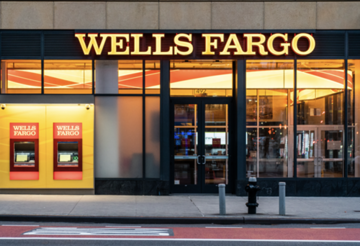
The 83-page lawsuit, filed by six plaintiffs, accuses Wells Fargo & Company and Wells Fargo, N.A. of knowingly aiding and abetting “risk-free” trial schemes, also known as negative option scams, run by the former operators of Triangle Media Corporation, Apex Capital Group and Tarr Inc., with the latter sued by the FTC in 2017 and the two former each hit with separate actions in 2018, according to ClassAction.org.
“To execute the schemes, the enterprises, the case says, paid unrelated individuals a modest monthly fee to front shell companies before then turning to Wells Fargo to open bank accounts necessary to accept consumers’ credit and debit card payments,” the report states. “According to the lawsuit, the three enterprises were able to obtain continued access to accounts with merchant processors while concealing the identities of their owners, an unlawful practice the suit says is known as “credit card laundering” and used to circumvent credit card companies’ monitoring programs and avoid detection by law enforcement.”
‘Substantial Knowing Assistance’
ClassAction.org further reported that according to the lawsuit, Thomas W. McNamara, the court-appointed receiver for Triangle and Apex Enterprises, discovered through independent investigation that Wells Fargo was “providing substantial, knowing assistance” to both companies’ sales scams. The suit alleges Wells Fargo bankers were aware of the risk-free trial schemes, understood that those listed as owners on Wells Fargo accounts did not actually own or control them and knew the enterprises were engaged in credit card laundering yet “gladly opened more than 150 bank accounts for the shell companies and straw owners, sometimes opening as many as six bank accounts in one day,” ClassAction.org stated.
The suit then alleges the defendants then allowed millions to be deposited into the accounts despite knowing the funds were obtained unlawfully through the scams, the lawsuit charges, and afterward allowed the companies to transfer the profits from the shell accounts to third-party accounts, including some located outside of the United States, according to the case.
As the lawsuit tells it, according to ClassAction.org, the principals of Apex and Triangle Enterprises came to rely heavily upon Wells Fargo to “aid their frauds” by way of the bank’s allegedly lax oversight and “atypical banking services,” which the plaintiffs contend deviated widely from accepted bank standards and applicable laws and regulations. From the complaint:
‘Telling Example’
“As one telling example of this from very early in the Triangle scheme, owner Brian Phillips recruited a son and his mother to serve as straw owners of two of the shell companies Phillips actually owned. Wells Fargo promptly opened the bank accounts for the shell companies, listing the straw owners as ‘owners’ of the accounts, and gave complete control over the shell accounts to Phillips,” the suit states. “When the son expressed concerns that Wells Fargo might call his unaware mother to conduct due diligence into the relationship, Phillips plainly explained that it was Wells Fargo, and that would not be happening…”
The case goes on to say that Phillips was proven right when Wells Fargo did not call the mother, ClassAction.org added.
The suit claims that “an array of Wells Fargo banks in multiple branch offices in California (and in a few cases, Texas),” as a result of the bank’s much-criticized sales culture, deliberately aided Apex and Triangle’s “risk-free” scams for “an astonishingly long period of time: from at least 2009 to 2018” for Triangle and from at least 2014 to 2018 for Apex—until FTC actions finally shut the operations down. Wells Fargo bankers opened accounts for Triangle, Apex and Tarr regardless of the risk to others as a result of the bank’s “high-pressure sales culture and near unattainable sales goals,” the lawsuit stresses.
‘Never Compensated’
Although Wells Fargo has admitted wrongdoing and paid substantial fines and restitution relating to the scandal over its sales culture, thousands of consumers who signed up for Apex, Triangle and Tarr’s “risk-free” trials have seen no relief, the complaint further states, according to ClassAction.org. “To date, Wells Fargo has never compensated this newly-identified category of victims, that were harmed by Wells Fargo’s sales culture and the resulting conduct that aided these fraudulent businesses,” the suit contends.
The lawsuit looks to represent all persons or entities who signed up and paid for any of the Triangle, Apex or Tarr “free trial” schemes.