

DUBLIN, Ireland–More than one third of Bank of Ireland’s branches closed for the last time last week and the bank has reached an agreement with the country’s post office to help provide certain services. In many communities ATMs are also being removed.
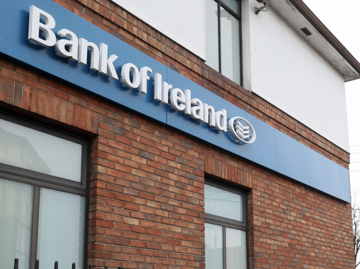
The bank said it closed the 88 locations as part of a broad restructuring of its branch network and other services that was first announced in March.
According to Bank of Ireland, it has seen a 60% drop in the number of customers visiting the branches in question, with a rise in those using online services.
Bank of Ireland told RTE is has reached an agreement with An Post to allow for deposits and withdrawals, will "protect local access to over-the-counter banking" at more than 900 post offices around the country.
Travel ‘Significant Distances’
“Customers affected by the closures have been written to in recent months, informing them of the changes and outlining where their accounts will be transferred to,” RTE reported. “Account numbers, sort codes, along with direct debits and standing order arrangements, will remain in place.
“While most of the branches being closed have post offices nearby, customers wanting to access other Bank of Ireland services may now have to travel significant distances to their closest branch,” the report added.
Some businesses staged a protest outside various branches to express their concerns over the closures.
‘Not Sustainable’
In Ballyhaunis, Ireland, the local Chamber of Commerce said the area was now being left without access to financial services. Chamber President Tom Forde told RTE the option of post office-based banking is not sustainable for several large businesses operating in the area.
The Financial Services Union said the closures marked "a sad day" for staff and customers and a “real sign of the weakness of regulation in Ireland,” RTE reported.
"The regulator has clearly failed in its role of protecting customers and communities in this instance," John O'Connell, general secretary of the Financial Services Union, told the publication. "Our banking sector is at a crossroads and needs a commitment from the Central Bank that the banking network will not disappear, and that they will be proactive in ensuring that communities and vulnerable people will not once again be hit the hardest," O'Connell added.