

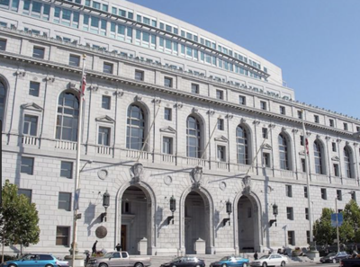
SACRAMENTO, Calif.–California’s Supreme Court has ruled that interest rates on consumer loans can be so high that they become “unconscionable” and, therefore, illegal.
The ruling raises questions over the validity of millions of loans made to subprime borrowers by payday lenders.
In a unanimous opinion, the California Supreme Court said courts “have a responsibility to guard against consumer loan provisions with unduly oppressive terms,” including interest rates. That ruling comes despite California laws that have until now allowed lenders to charge whatever the market will bear.
Under California law, there is a maximum rate on laws up to $2,499, but no cap on loans of $2,500 and above. The Los Angeles Times reported, however, that when lawmakers removed interest-rate caps on those larger loans in the 1980s, they included language that allowed loan terms to be found “unconscionable.”
The Supreme Court ruling came in a class action filed by borrowers of CashCall in 2008 who sued over loan rates and other terms that they argued made the loans unconscionable. The plaintiffs borrowed from CashCall at rates of 96% or 135% from 2004 to 2011, the Times reported.
The Plaintiff’s Arguments
CashCall, based in Orange County, offers consumer loans at interest rates topping 100%, according to its attorneys, and its attorneys argued that by removing a cap on interest rates, the legislature intended to allow lenders to set their own rates without interference from state regulators, the Times said.
“The case, De La Torre vs. CashCall, is before the U.S. 9th Circuit Court of Appeals, which asked the state high court to weigh in on California lending law — specifically whether a high interest rate alone could be unconscionable and thereby void a loan,” the Times said. “The Supreme Court did not, however, find that CashCall’s rates are unconscionably high. The opinion leaves it to state regulators and other courts to determine if or when rates cross that threshold.”
The De La Torre case will now go back to the 9th Circuit and potentially back to federal district court in San Francisco for a trial.