

WASHINGTON–Credit unions may want to step up their communication efforts to members as state and local governments report they are struggling to distribute $47 billion in federal money aimed at helping tenants who can’t pay rent because of the COVID-19 crisis.
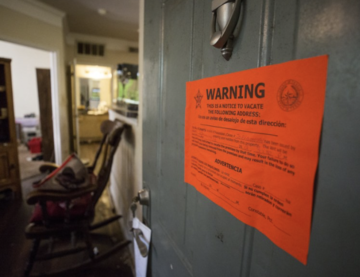
The result of the confusion, bureaucracy and more is that many people are at risk of being thrown out of their homes when an eviction moratorium expires on July 31, according to one new report.
Meanwhile, many landlords have been squeezed because they have been unable to collect rent but remain on the hook for taxes, maintenance and other bills, the Wall Street Journal added.
“Problems distributing the funds—which can be used to cover back rent, future rent and utilities—often stem from bureaucratic bottlenecks,” the Journal reported. “Some states are having trouble keeping up with requests for aid, while numerous renters are being disqualified for failing to complete their applications correctly, say landlords, tenants and local officials.”
A Sticking Point
One key sticking point: verifying an applicant’s income with either last year’s tax return or two months’ worth of paycheck documentation.
While some states, including California and New York, have their own eviction moratoriums that will remain in effect past July, about 40 states don’t, according to the legal website Nolo.com.
“We will see a historic wave of evictions and housing instability this summer and fall” without further measures to protect tenants, Diane Yentel, president and chief executive of the National Low Income Housing Coalition, told the Journal.
Eight-Million Behind
The report noted just $3 billion of the aid authorized by Congress in December and March had been delivered to landlords and tenants as of June 30, the Treasury Department said in a report on Wednesday. About 8.2 million were behind on their rent or mortgage as of July 5 and have low confidence they can pay on time next month, a Census Bureau survey revealed.
The Journal also cited an Urban Institute study from June that showed many landlords and most tenants were unaware aid was available.
Though money began flowing in January, most state and local governments had to start their programs from scratch, with many not getting off the ground until late May or early June, according to the Treasury officials who spoke with the Journal.
Even in a healthy economy, about 300,000 tenants in the U.S. face eviction each month for various reasons, according to Princeton University’s Eviction Lab. Eviction proceedings slowed during the pandemic as courts largely shut down and policy makers imposed moratoriums, the Journal added.