

WASHINGTON–CUNA has filed a brief in the U.S. Supreme Court in the case Seila Law vs. CFPB that has to do with the constitutionality of the Consumer Financial Protection Bureau (CFPB).
At issue in the case are two questions:
- Whether the CFPB structure of a single director removable only for-cause unconstitutionally violates the separation of powers
- If the CFPB is found unconstitutional, can the for-cause removal section be severed from the remainder of Title X of the Dodd Frank Act.
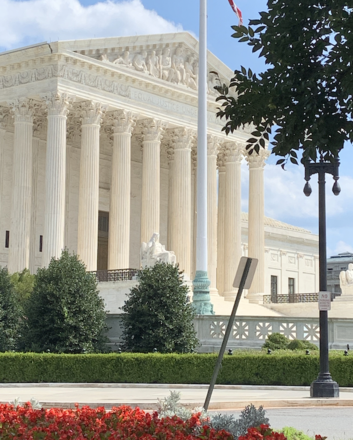
In its brief CUNA says it agrees with the plaintiff, Seila Law, as well as the CFPB, which opted not to defend its structure, in arguing the Bureau’s single director structure “does not pass constitutional scrutiny and violates the separation of powers.”
Both CUNA and NAFCU have called for creation of a multi-member leadership commission, similar to the NCUA board. CUNA argues such a commission would “remedy the constitutional defect while preserving the consumer protection benefits of the agency.”
To achieve that objective, CUNA it is encouraging the Court to hold Title X unconstitutional but stay the effect of that decision to allow Congress time to enact such a commission structure to lead the Bureau.
‘Mitigate Dramatic Swings’
CUNA said it believes the creation of a multi-member commission would mitigate dramatic swings to the regulatory pendulum and require any official action to be conducted in an open and transparent process to the benefit of consumers and regulated entities.
“CUNA and credit unions have engaged in this issue for more than a decade now,” said CUNA Chief Advocacy Officer Ryan Donovan. “We were very actively involved in original deliberations of the Dodd Frank Act. The original concept that was described for us was for a multi-member bipartisan commission. And what happened was Congress picked and chose different aspects of federal regulatory agencies and eventually arrived at a structure that is in violation of the separation of powers. Even if the president could remove the director at will, that structure would be in conflict with congressional intent. That’s why it should be sent back to Congress for reconsideration.”
Case Could Affect Another Agency
The Supreme Court is scheduled to hear arguments in the case March 3, 2020.
The case could also have implications on the structure of the Federal Housing Finance Agency (FHFA), NAFCU noted. The Fifth Circuit, sitting en banc, in September ruled that the FHFA's structure, which is also single director, is unconstitutional. The agency had previously decided not to defend its structure; however, it changed its position under current Director Mark Calabria.