

SAVANNAH, Ga.–Every leader in credit unions has at one point had to have at least one “cringe-worthy” conversation, and that’s especially true for one person who shared her own story, as well as the career lessons she has taken away from the experience.
Rachel Schaming, chief human resources officer with WeFlorida Financial CU in Margate, Fla., shared a highly unusual experience with attendees at the CUES TalentNEXT Conference here in remarks themed, “Cringe-Worthy Moment Conversations: How to Approach Difficult Conversations.”
In her case, her most memorable such conversation and the one she shared involved a respected CEO who had acted in a way no one would have ever expected.
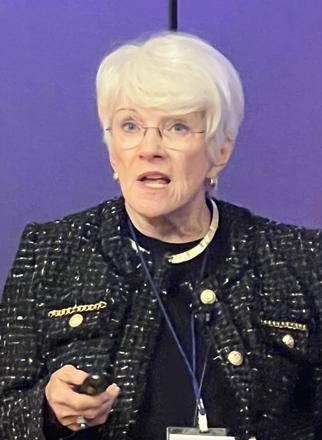
Rachel Schaming
Schaming described cringe-worthy moments as those that are unwanted, involve high stakes, result in elevated emotions, include opposing opinions and have uncertain outcomes.
“Usually there is fear, anger, hurt,” in cringe-moment conversations, noted Schaming.
Throughout her remarks Schaming shared her own most difficult issue, which involved a CEO who had been removing building materials from a storage facility for use in his own home, and who also told someone in HR that he was to be given an $80,000 raise.
The Risks
What happens when an organization avoids having those cringe-moment conversations?
A poll of the audience found people saying the situation “gets worse,” it “spreads across the organization,” and “you put yourself at risk.”
In addition, said Schaming, when such conversations are not had there can be disappointment, especially by a boss who doesn’t understand why he/she is not more effective at handling such situations.
The Rewards
According to Schaming, the rewards from having cringe-worthy conversations—and having them in the right way—include:
- Movement toward resolution. “Often the challenge we have is we think we know what that resolution should be, and it leads us down a different pathway
- Courage is shown
- There is grace and perspective
- Those involved are viewed as effective leaders
- Confidence is built
What Makes People Cringe?
According to Schaming, typical cringe-worthy conversations include:
- Ending a relationship, professional or personal
- Giving an unfavorable performance review
- Critiquing a colleague’s work
- Talking with a coworker who behaves offensively
- Talking about personal hygiene concerns
- Personal relationships in the workplace
Rising Anxiety
Schaming noted the anticipation of cringe-worthy conversations can lead to anxiety that is worse than the conversation itself for all parties.
“What adds to the dread is often we are talking to someone we really respect, someone we have a long-time relationship with, someone who may be a friend,” observed Schaming.
In addition, in cringe-worthy conversations there is often a “mental fog,” she added, as well as elevated stress and feelings of being overwhelmed.
The Choice
Given the situation facing Schaming and the CEO who allegedly had taken materials from the credit union and who had asked HR to raise his salary, Schaming had to make a choice on the best way to confront the CEO: Directly, through a third party such as legal counsel, with the board or board chairman, or perhaps some other means?
“I chose the one-to-one. It was just so hard to believe,” said Schaming. “I verified the conversation with the payroll administrator. There were records of what had come out of the facilities storage and where it went. I needed to think through how can I keep it simple? I thought through what his reaction might be. I thought about how I would feel if I was on the other side. I would probably feel exposed.”
Schaming said she did not just go into the meeting and “wing it,” and instead went in with a plan as she knew there was a chance the CEO could get defensive. She also didn’t want to just “piece together” words or “sugarcoat” language.
Too often, said Schaming, leaders avoid having cringe-worthy conversations as they seek out “peace and harmony. We want to be liked rather than being respected.”
The Four P Model
Schaming shared what she calls the “four P model,” which she developed. The four P’s include Pause, Plan Prepare and Participate.
“In the Pause part, one of my feelings was betrayal. I was so disappointed that this was what I was experiencing, and a little bit angry, too. Why am I now tasked with getting this situation resolved?” she wondered.
Schaming said she entered the CEO’s office and said she needed to speak with him, telling him that certain things had been “brought to my attention.”
When she shared what she had learned she said he leaped out from behind the desk and began making threats, demanding “Who do you think you are?” and saying “I am not going to tolerate this.”
Schaming, who said she had never seen such behavior from the CEO, left his office and told him they would connect again the next day. But the CEO stormed into Schaming’s office several more times the same day and said things like “I could fire you!”
He was loud enough others in the office heard him, she related.
In the Pause stage Schaming said it’s about:
- Assessing emotions
- Being Aware: People will feel a need to criticize, blame, retaliate or win
“The pause is important because reacting too quickly does not result in a respectful path forward,” Schaming said.
The Plan Stage
According to Schaming, questions to ask in the plan stage include:
- Do I want to show up angry and accusatory, or do I want to be calm rational and willing to listen?
- What do I want for the other person? Respect? To find a solution?
“The CEO knew I would have to take action and escalate this. He asked, ‘What do you want me to do?’ I responded by asking 'What’s the right thing to do?' He asked, ‘Do you want me to go to the chairman and tell him what I have done?’ I said, ‘What do you think? He said, ‘Do you know what is going to happen? They will fire me.’ He wanted me to go with him to meet with the board. I said I would go with him, but I would not be doing the talking.”
Schaming said the CEO went into the meeting with a list of bullet points and was sobbing the whole time as he shared what he had done. A “shocked and stunned” board asked the CEO to leave and Schaming to stay. An hour later, the board said it had decided to terminate the CEO, although they would give him six months and also asked Schaming to help the CEO beef up his resume.
The Prepare Stage
In preparing for a cringe-worthy conversation, Schaming urged CU leaders to “keep it succinct” and to think about:
The Script
- A script guides how the conversation will unfold
- A Script supports staying on track
Logistics
- Meeting location/date/time
- Notify the other party
The First 5 Minutes
“The first five minutes is so critical because you are setting the tone. You want to be calm. You want to say something like ‘Thank you for coming’,” said Schaming. “I don’t ask ‘How was your weekend or how are the kids?’ Then you are already off track. I get right to it. I need to bring to your attention…”
The Participate Stage
In the participate stage, Schaming said it’s important to:
- Enter the conversation
- Stop and listen to the other person
- Manage your defensiveness and the other person’s, as needed
- Agree on next steps: Who will do what and when to resolve the challenge?
The Preserve Stage
The Preserve stage’s goals are to exit the conversation with relief, respect and a plan for moving forward, she said.
What Finally Happened?
So, what ultimately happened to the CEO who had pilfered building materials and attempted to give himself a raise?
According to Schaming, after being informed by the chairman his employment was ending and what the terms would be, three months passed before the chairman came to see Schaming and asked, “What if we gave the CEO another chance?”
“The chairman said, ‘We have talked about this, we are so concerned. We see on TV where CEOs are perp-walked out of companies, their careers end, families are devastated. He has made restitution. We would like to give him another chance.”
And that, the company did.
“He became the most shining CEO you can imagine,” said Schaming. “Never had a misstep. He is still there and is shining in that role. The moral of the story is you start down one path and it can go completely differently.”
Are You Being Gouged for Bank-Like Subscription Fees for Old News? Here’s a CU-Like Way to Fix That
The biggest, best and freshest news reporting in credit unions remains free! Each morning CUToday.info delivers its daily Fresh Today news update offering the latest headlines and breaking news right to your email, with the easy-to-read headlines format allowing you to click on the stories that interest you most in order to learn more. So stop paying those bank-fee-like subscription prices from other so-called “news”” publications!
If you haven’t yet signed up for the new email solution on which CUToday.info has partnered with ResponseGenius, you can do so here. Signing up requires less than one minute of your time—and it’s free!
Please note that after signing up you may need to go to your Spam/Junk folder and mark the morning headlines email as safe. CUToday.info does not provide its list of readers and emails to outside parties, and we will not be contacting you to sell you an extended warranty or sending you any links so you may cash in on an inheritance you didn’t know was coming.
And did we mention it’s free?