WASHINGTON–The vice president of a Florida credit union testified before the House yesterday and urged Congress to act on a number of issues.
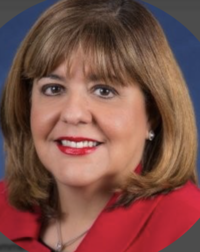
Mara Falero
Separately, NAFCU sent a letter to Congress in conjunction with hearings on housing finance reform.
Testifying on behalf of NAFCU, Mara Falero, VP-marketing and communications with JetStream FCU, called on Congress to fully fund the CDFI program, amend the FCU Act so credit unions can petition NCUA to allow them to expand their field of membership to include underserved areas, and to provide more flexibility to credit unions' ability to serve moderate- and low-income families through subordinated debt and extended loan maturity limits.
Among the comments made by Falero:
Allowing All CUs to Serve Underserved Areas
“…Credit unions were not the cause of the Great Recession, and an examination of their lending data indicates that credit union mortgage lending outperformed bank mortgage lending during the downturn,” said Falero. This is partly because credit unions did not contribute to the proliferation of subprime loans…In addition, both during and after the crisis, credit unions have been committed to helping the portions of their communities that are most in need with high quality products and services. As an example, recent Home Mortgage Disclosure Act data indicates the extent of credit union lending to communities within census tracts defined as ‘distressed’ in 2007 by the Federal Financial Institutions Examinations Council (FFIEC)…The one-to-four family, first-lien purchase loan originations made by credit unions in these communities held up better through the Great Recession than those made by banks. From 2008 to 2012, there was a 33% decline in credit union mortgages versus a 59% decline in bank mortgages…Many credit unions want to help those in underserved areas but the ability to add underserved areas to their field of membership is restricted.”
De Novo Credit Unions
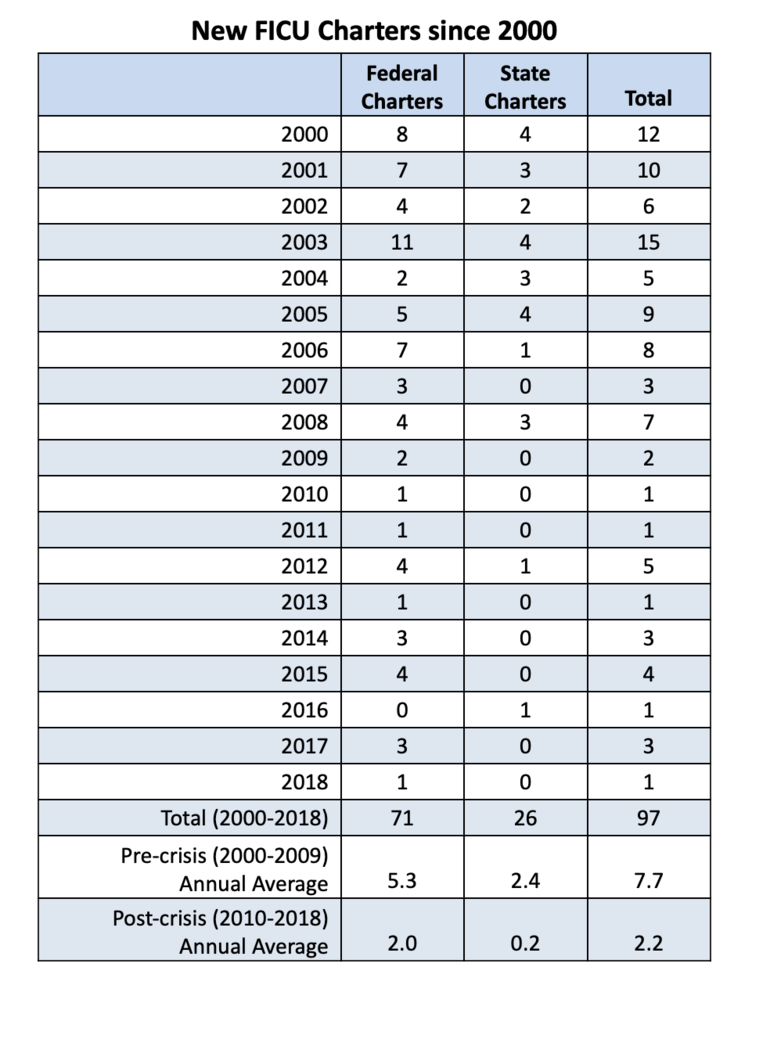
“The rising cost of compliance deters many would-be de novo (start-up) credit unions,” said Falero. “Additionally, the initial capital infusion and cash outlays are often too great for many communities and associations, and there is little to no return on investment. Starting a new credit union is essentially an altruistic endeavor, as there is no ultimate financial incentive for those who are successful and the costs and hurdles can be discouraging…”
Subordinated Debt
Falero told the House Congress may provide more flexibility to credit unions’ ability to serve low- and moderate-income individuals in their communities by supporting the NCUA in its efforts to permit credit unions to issue subordinated debt. She added NAFCU supports a proposed subordinated debt framework, commonly referred to as supplemental capital, for all well-run, well-capitalized credit unions. NCUA has been working on this project under the leadership of both former Chairman Mark J. McWatters and current Chairman Rodney Hood, and look forward to this important project coming to fruition.
Loan Maturity Limits
Falero said NAFCU supports giving the ability for the NCUA board to extend the 15-year limit on federal credit union loans to longer terms for specific loans as the board deems necessary. The FCUA currently places a 15-year maximum maturity on credit union loans, with a few exceptions, such as for a mortgage on a primary residence.
“This loan limit is outdated and does not conform with maturity rates currently available in the for-profit market,” she said. “It forces credit unions striving to offer financial products to underbanked and underserved communities to turn away their members for some loan services, including member business loans and student loans.”
Falero also called on Congress to act on data security and CECL, as well as the Ensuring Diversity in Community Banking Act.
Letter on Housing Finance Reform
Separtely, in conjunction with a House Financial Services Committee hearing on housing finance reform, NAFCU has sent a letter calling on Congress to make a priority of ensuring Fannie Mae and Freddie Mac offer pricing based on quality, not quantity.
In its letter ahead of the hearing, at which Treasury Secretary Steven Mnuchin, HUD Secretary Ben Carson, and FHFA Director Mark Calabria all appeared, NAFCU said it’s imperative credit unions be given equal access to the GSEs as other lenders, including through the cash window.
Other points made in the NAFCU letter:
- The trade group said it supports the FHFA’s recent directive to the GSEs to discontinue the practice of volume-based discounts to provide smaller lenders with equal access to the GSEs.
- NAFCU said it also supports the recent agreement between the FHFA and Treasury to permit the GSEs to retain more capital to better protect taxpayers in the event of a severe economic downturn.