

PONTIAC, Mich.–Michigan Legacy Credit Union is reporting it has seen a spike in online volume since the beginning of the coronavirus pandemic, and has also now introduced a new branch protype.
The 20,000 member credit union, which has six branches, said it saw 50,000 more online transactions in April than in March.
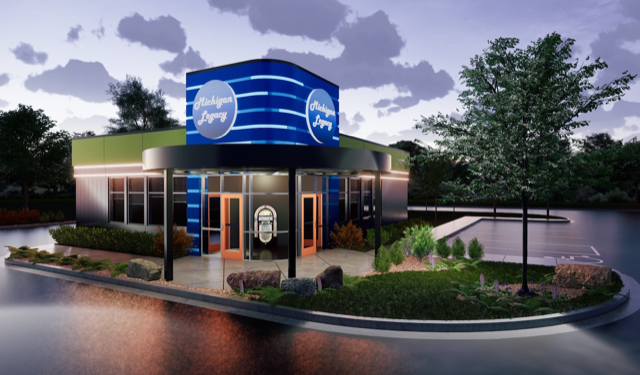
The $221.4-million MLCU said in 2019 it made a decision to update branches with a smaller footprint, a new design theme and video teller platforms from Pop I/O.
“We are already seeing the value that will come with having 35,000 less square feet of space, collectively, among our branches,” Carma Peters said. ‘The massive shift to online banking also reinforces our belief that members will be very comfortable with the video teller concept, especially given we will still have staff onsite to provide additional assistance.”
According to Michigan Legacy CU, the impact of the pandemic has been particularly difficult for its members. MLCU is a low-income credit union that serves members who are overwhelmingly employed in lower paying sectors that have been hardest hit: transportation, retail, travel and food service, and manufacturing, the credit union said. Many of those members have seen temporary furloughs and permanent layoffs.
Assistance Available, But…
The credit union is offering financial relief programs, but is encouraging restraint.
“Members continue to be counseled not to take on any temporary loan deferments if they have the cash now to stay current on their bills,” Peters said. “That’s just kicking the can down the road, and makes it much more difficult to recover financially and from a credit score perspective. We are also finding that members aren’t tapping lines of credit because of the money currently being paid to individuals from the government. For so many reasons, it will likely be several months before we see the actual scope of charge-offs and delinquencies by members.”
MLCU reported it has been able to retain all of its staff members during the pandemic, with about 55% working remotely. It even hired two additional workers who were trained remotely but will need to work in the branch for 90 days before allowed remote security clearance to account information, it added.
The credit union has also shifted staff, moving employees who work in auto lending—which has dried up—into other areas.