

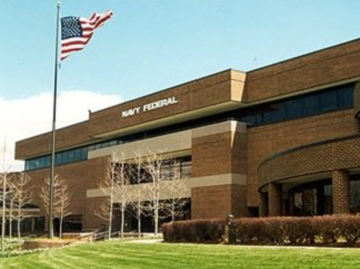
WASHINGTON—The Consumer Financial Protection Bureau has fined Navy FCU $28.5 million for “improper” debt collection practices.
In its consent order, the CFPB states that Navy FCU—the largest credit union in the nation at $77.8-billion—made false threats about debt collection to its members, which include active-duty military, retired servicemembers, and their families. The credit union also unfairly restricted account access when members had a delinquent loan, the Bureau stated.
The CFPB said Navy is correcting its debt collection practices and will pay roughly $23 million in redress to victims along with a civil money penalty of $5.5 million.
“Navy Federal Credit Union misled its members about its debt collection practices and froze consumers out from their own accounts,” said CFPB Director Richard Cordray. “Financial institutions have a right to collect money that is due to them, but they must comply with federal laws as they do so.”
The CFPB said its investigation found that Vienna, Va.-based Navy FCU deceived consumers to get them to pay delinquent accounts.
“The credit union falsely threatened severe actions when, in fact, it seldom took such actions or did not have authorization to take them. The credit union also cut off members’ electronic access to their accounts and bank cards if they did not pay overdue loans. Hundreds of thousands of consumers were affected by these practices, which occurred between January 2013 and July 2015. The practices violated the Dodd-Frank Wall Street Reform and Consumer Protection Act,” the Bureau explained.
Navy FCU, which settled the charges without admitting or denying wrongdoing, responded to the action stating that the CU is proud of its 83-year history of helping its members fulfill their financial goals—both for savers and for borrowers.
“As a not-for-profit cooperative, when we make loans, we are lending our members’ money. We have a long history of helping members when they are making the effort to pay back their loans, and we will continue to do so. This is part of our duty to our membership as a whole. Where our collections practices have come up short in the Consumer Financial Protection Bureau’s estimation, we have made all the necessary changes. We have cooperated with the CFPB throughout the process,” Navy said in a released statement. “Navy Federal Credit Union has been nationally recognized for its exceptional service to members. We remain steadfastly focused on upholding our standards of service excellence and the trust of our membership.”
Specifically, the CFPB found that Navy FCU:
- Falsely threatened legal action and wage garnishment: The credit union sent letters to members threatening to take legal action unless they made a payment. But in reality, it seldom took any such actions. The CFPB found that the credit union’s message to consumers of “pay or be sued” was inaccurate about 97% of the time, even among consumers who did not make a payment in response to the letters. The credit union’s representatives also called members with similar verbal threats of legal action. And the credit union threatened to garnish wages when it had no intention or authority to do so.
- Falsely threatened to contact commanding officers to pressure servicemembers to repay: The credit union sent letters to dozens of servicemembers threatening that the credit union would contact their commanding officers if they did not promptly make a payment. The credit union’s representatives also communicated these threats by telephone. “For members of the military, consumer credit problems can result in disciplinary proceedings or lead to revocation of a security clearance. The credit union was not authorized and did not intend to contact the servicemembers’ chains of command about the debts it was attempting to collect,” the CFPB said.
- Misrepresented credit consequences of falling behind on a loan: The credit union sent about 68,000 letters to members misrepresenting the credit consequences of falling behind on a Navy Federal Credit Union loan. Many of the letters said that consumers would find it “difficult, if not impossible” to obtain additional credit because they were behind on their loan. “But the credit union had no basis for that claim, as it did not review consumer credit files before sending the letters. The credit union also misrepresented its influence on a consumer’s credit rating, implying that it could raise or lower the rating or affect a consumer’s access to credit. As a furnisher, the credit union could supply information to the credit reporting companies but it could not determine a consumer’s credit score,” the CFPB said.
- Illegally froze members’ access to their accounts: The credit union froze electronic account access and disabled electronic services for about 700,000 accounts after consumers became delinquent on a Navy Federal Credit Union credit product. “This meant delinquency on a loan could shut down a consumer’s debit card, ATM, and online access to the consumer’s checking account. The only account actions consumers could take online would be to make payments on delinquent or overdrawn accounts,” the Bureau said.
Enforcement Action
Under the terms of the consent order, the CFPB said Navy FCU is required to:
- Pay victims $23 million: The credit union is required to pay roughly $23 million in compensation to consumers who received threatening letters. Most will be eligible for redress if they received one of the deceptive debt collection letters and they made a payment to the credit union within 60 days of that letter. In addition, all consumers who received the letter threatening to contact their commanding officer will receive at least $1,000 in compensation. The credit union will contact consumers who are eligible for compensation.
- Correct debt collection practices: The credit union must create a comprehensive plan to address how it communicates with its members about overdue debt. This includes refraining from any misleading, false, or unsubstantiated threats to contact a consumer’s commanding officer, threats to initiate legal action, or misrepresentations about the credit consequences of falling behind on a Navy Federal Credit Union loan.
- Ensure consumer account access: Navy FCU cannot block its members from accessing all their accounts if they are delinquent on one or more accounts. The credit union must implement proper procedures for electronic account restrictions.
- Pay a $5.5 million civil money penalty: Navy FCU is required to pay a penalty of $5.5 million to the CFPB’s Civil Penalty Fund.
The consent order can be found here.