

WASHINGTON–Both CUNA and NAFCU sent comment letters to the Senate Banking Committee ahead of semi-annual testimony by CFPB Director Kathy Kraninger.
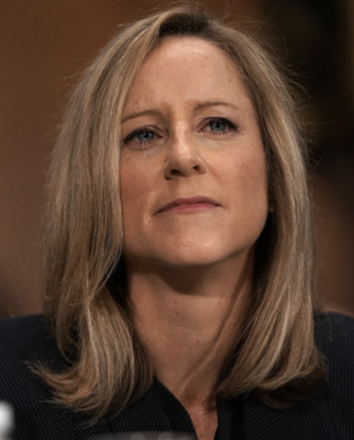
Kathy Kraninger
In its letter, CUNA cited what it said have been “substantial efforts” by the CFPB to assist credit unions during the pandemic, but said additional flexibility and compliance assistance may be needed. CUNA noted it continues to recommend the CFPB continue to provide credit unions flexibility for the duration of the pandemic and also called on Congress to act to protect credit unions from frivolous litigation arising from actions to assist financially distressed members during the pandemic.
“We appreciate the regulatory amendments and supervisory flexibility that the CFPB has provided so far but more is going to be needed as the crisis continues,” CUNA President/CEO Jim Nussle wrote. “This crisis is going to require the Bureau to use all its tools to ensure financial service providers can weather the storm and meet the needs of consumers. The CFPB is in a unique position to highlight the stress on both consumers and the consumer financial services system and raise the alarm bells about unnecessary choke points, especially related to small business lending, mortgage servicing, and small dollar lending, and we encourage the Bureau to do so”
The full letter is linked here.
NAFCU Letter
Meanwhile, in its letter, NAFCU raised a number of points, including:
- CFPB Leadership Structure: “NAFCU has long held the position that, given the broad authority and awesome responsibility vested in the CFPB, a five-person commission has distinct consumer benefits over a single director.”
- Qualified Mortgage Role: “While the CFPB issued a proposed rule to extend the patch until the effective date of their new QM rule, the timing remains uncertain. As NAFCU has shared with Congress and the CFPB, the GSE Patch has been a key factor in credit unions’ ability to lend to members of their communities, especially those of low- and moderate-income,” wrote NAFCU VP Brad Thaler.
- RESPA Flexibilities. “While the GSEs do not require complete paperwork to exercise these disaster options, current regulations require that extensive paperwork be obtained anyway. RESPA should contain an exception to unnecessary and burdensome regulations for disaster-related programs that move delinquent borrowers into current status,” wrote Thaler.
- E-Sign: “At a time when social distancing has become paramount to the health and safety of credit union members, employees, and their families, credit unions are discovering that some of the E-SIGN Act’s outdated provisions have become a burden. Over 90 percent of NAFCU members responding to a survey noted challenges in getting documents signed in light of the pandemic. Congress needs to modernize provisions in the E-SIGN Act to help credit unions better meet the needs of members, while respecting social distancing requirements,” wrote Thaler.
Kraninger Testimony
Meanwhile, during her testimony, Kraninger told Congress approximately 5% of the complaints the agency has been receiving to date in 2020 are related to the coronavirus. Kraninger said that through late July, consumers had submitted more than 270,000 complaints to the Bureau, and more than 14,000 of those pointed specifically to the disease.
“In March 2020, we saw a notable increase in inquiries related to trouble making mortgage payments,” said Kraninger in her written tetstimony. “Those inquiries also highlighted concerns about when deferred payments would be due after the CARES Act forbearance period.”
Beyond the coronavirus, Kraninger said credit and consumer reporting continue to represent the largest number of complaints overall.
Separately, Kraninger testified that the bureau has developed a “new, targeted supervisory approach” dubbed “Prioritized Assessments” to focus on the institutions and markets that represent the most significant consumer harm resulting from pandemic-related issues.