

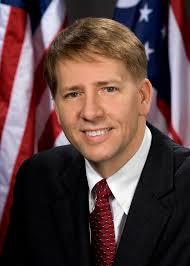
Richard Cordray
WASHINGTON—The Consumer Financial Protection Bureau said that its recent supervisory actions have returned more than $11 million to more than 225,000 harmed consumers.
The Bureau made the announcement in its Supervisory Highlights report. The CFPB also said it uncovered student loan servicer violations, such as failing to enroll qualified borrowers in affordable federal loan repayment plans, and is issuing updated procedures for student loan servicing exams.
The report also outlines violations found in auto loan origination and servicing, debt collection, and mortgage origination. Additionally, the report provides information on compliance with CFPB rules and regulations, new exam policies, and best practices for better communication with non-English-speaking consumers.
“Our examiners continue to find sloppy or callous practices among some student loan servicers and other financial institutions that violate the law and put consumers at risk,” said CFPB Director Richard Cordray. “If their practices hurt consumers, they need to rethink and change their practices in light of the actions and observations found in this report.”
The latest report, the 13th edition of Supervisory Highlights, is focused on supervisory work generally completed between May and August 2016. Supervisory actions in the areas of deposits, mortgage servicing, and credit cards returned $11.3 million to consumers, the CFPB said. Specific issues uncovered by CFPB examiners being addressed through supervisory or enforcement action include:
- Student loan servicers unfairly denying or failing to approve qualified students’ affordable payment plans: Eligible borrowers with federal student loans have a legal right to affordable payments based on their monthly income. A recent Bureau report found student loan borrowers may face needless hurdles and wrongful rejections when trying to enroll in these plans. CFPB examiners have found that one or more servicers are regularly and illegally denying applications from qualified borrowers. These practices could trap borrowers in payment plans they cannot afford, delay access to important benefits, increase costs for consumers, and contribute to avoidable defaults, the CFPB said.
- Auto loan servicers illegally keeping borrowers’ belongings: CFPB examiners found one or more auto loan servicers refused to return personal belongings from a borrower’s repossessed car unless the borrower paid a storage fee. If borrowers did not pay the fee in the allotted time, usually 30-45 days, depending on the state, the companies would dispose of the property instead of returning it to the borrower, the CFPB said.
- Debt collectors charging illegal fees, misleading consumers: Examiners found one or more debt collectors charged illegal payment processing fees and made misleading collection calls about consumers’ credit scores or reports. “For instance, some debt collection employees misled consumers by falsely claiming immediate payments were needed to prevent damage to the consumer’s creditworthiness,” the Bureau said. The CFPB also found one or more collectors revealed information about debts to consumers’ friends and family during debt collection attempts, and failed to investigate consumer reporting disputes.
Some problems found during CFPB supervisory examinations are resolved without an enforcement action. Where Bureau examiners find violations of law or other significant problems or weaknesses, they alert the institution to these concerns, direct the institution to change its conduct, and outline necessary remedies.
Additional Compliance Information
The Bureau said it is also releasing information on compliance with CFPB rules and regulations, new exam policies, and best practices for improving communication with non-English-speaking consumers. This includes:
- Revised exam procedures for student lending and servicing: The Bureau’s revised exam procedures enhance those that were devised in 2013, and are informed by more than two years of supervisory and enforcement actions. They address the gamut of servicing practices affecting borrowers from payment processing and routine communications with borrowers, to the handling of requests for payment relief by distressed borrowers. It will also guide how examiners assess risks to consumers and review student loan servicers’ compliance with federal consumer financial law.
- Updates to CFPB guidance on compliance for service providers: Under amended Bureau guidance for service providers, risk management programs may be tailored to the size, market, and level of risk for consumer harm the service provider presents, the CFPB said. The bulletin also notes that appropriate risk management programs enhance compliance with federal consumer financial laws and help avoid consumer harm.
- New exam procedures for reverse mortgage servicing: The report includes the Bureau’s new procedures for examining reverse mortgage servicers. These procedures provide details on how Bureau examiners will review servicer’s compliance with applicable regulations.
- Assessing redlining risk: The CFPB said redlining occurs when a lender provides unequal access to credit or credit terms because of the race, color, national origin, or other prohibited characteristic of those in the area where the credit seeker resides or will reside, or the location of the residential property to be mortgaged. In assessing whether redlining is occurring, Bureau supervisors will consider demographics, credit profiles, lending patterns, comparisons to similar institutions, marketing, and the institution's physical presence in a given area, among other factors.
- Language services for non-English-proficient consumers: The report includes findings on how institutions provide access to credit in languages other than English in a way that benefit both consumers and the institution, while helping ensure the actions comply with the law. These findings include marketing and servicing loans in languages other than English, translating financial documents sent to borrowers, providing language services to consumers with limited English language skills, and using bilingual customer service agents.