

DENVER–Why did the CEO of one company that received $250 million in government relief funds as part of the response to the pandemic return the money, even though the company didn’t need to?
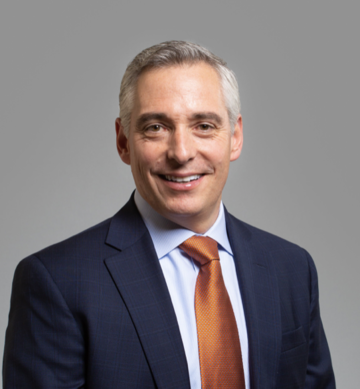
Javier Rodriguez
He simply felt uncomfortable keeping it, according to an interview conducted by the Harvard Business Review with that CEO, Javier Rodriguez, who heads up DaVita.
DaVita, a 65,000-employee chain of kidney treatment centers, received nearly $250 million from the Health Care Enhancement Act, a program delivers the money to qualifying companies—without an application.
According to the Harvard Business Review, after receiving the funds, Rodriguez and DaVita’s directors were torn. “The company’s costs have increased dramatically due to Covid-19 (primarily for purchases of personal protective equipment and employee overtime), and the relief money would help fund them,” HBR reported. “But like the Payroll Protection Program, the HCEA has a finite pool of funds (it’s $175 billion), and many health care organizations are losing much more money than DaVita due to prohibitions on elective procedures.”
In a Q&A interview with the Harvard Business Review, Rodriguez said the company is qualified for the funding and has been spending the funds to treat COVID-positive patients, so it’s within the spirit of the program.
A ‘Tough Discussion’
“But philosophically, we don’t need the money to stay open. That creates conversations around shareholders and society, and whether keeping the money is doing what’s right. In the last year, the Business Roundtable put out its statement on the importance of stakeholders, and in Davos this year there was a big emphasis on ESG, or environmental, social, and governance issues,” Rodriguez said. “When it comes to the relief money, is it about qualifying for it, or deserving it, or needing it? That’s a tough discussion. Our board is a group of experienced, thoughtful executives who were interested in assessing all the different perspectives and outcomes. A lot of times, ethical discussions focus on hypotheticals, but this was not a dress rehearsal. This is real life, where we had to decide what was right. In the end, the board was unanimous in its decision to return the dollars.”
The full interview, including additional insights into the internal debate, can be found here.