

WASHINGTON–The Biden administration continues to debate when to end the pause put in place during the pandemic on collection of federal student loan payments. It is also looking forward broader changes in how Americans repay those loans, according to one report.
During his presidential campaign, President Biden called for a cap on loan payments of 5% instead of 10%, and he may try to do so by creating a new income-based payment plan through the regulatory process, according to the New York Times.
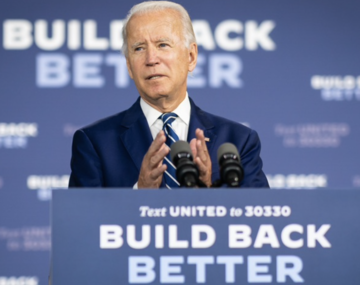
Biden has not expressed interest in canceling all or most student debt, as some in Congress have called for.
While the Biden proposal would have significant benefits for many people, but there could also be unintended consequences, including an increase in inequality, according to one analysis cited by the Times.
‘Unlikely’ to Help
“Because of how the loan system is set up, a 5% cap would be unlikely to help those who need it most (borrowers with low incomes are already eligible for zero payments); would cause some borrowers to pay for a longer period of time; and would provide large new subsidies to relatively affluent borrowers,” the Times reported. “Tying loan payments to incomes has worked well in countries like Australia, in the judgment of experts, but not as well in the United States. For starters, borrowers have to know these options exist — less than half of undergraduates with loans did in 2016. Then they have to navigate multiple plan choices. If they fail to file annual paperwork with their loan servicer, they will be put back on a fixed-payment plan that may be unaffordable.”
Analysts have noted borrowers with low incomes (below $19,320 for a single person and $39,750 for a family of four in 2021) make no payments under existing income-based plans, so reducing the percentage of income paid will not help them.
“The borrowers with the highest incomes and largest debts — like doctors, lawyers and others with advanced degrees — would benefit the most,” the Times added.
CBO Estimates
The report noted the Congressional Budget Office estimates that a more modest reduction in the share of income paid (to 8% from 10%) would cost more than $26 billion over the next 10 years, and most of the benefits would go to graduate student borrowers. A rough extrapolation would put the cost to taxpayers of a 5 percent plan at around $65 billion.
As CUToday.info reported here, https://www.cutoday.info/site/Fresh-Today/Majority-of-Consumers-Have-Exited-Pandemic-Related-Loan-Relief-With-1-Exception-Says-CFPB
a new report from the CFPB has found most consumers have exited any loan payment assistance they may have received early in the coronavirus pandemic, and that includes those who live in communities hit hardest fallout from the crisis. But there is one exception: those getting assistance for student loans.