

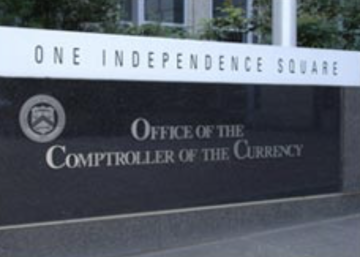
WASHINGTON–While credit unions take measure of what the decision by the OCC to begin issuing special-purpose national bank charters to fintechs might mean to the marketplace, one analyst says there are plenty of questions to be answered on the fintech side, as well.
Joseph Lynyak III, a partner at the law firm Dorsey & Whitney and an authority on Dodd-Frank, the BCFP and other issues, issued a statement that the OCC’s new policy can only mean one of two things.
“It is either an attempt to eliminate the issue by setting an insurmountably high standard to obtain a national bank charter or else a policy change that will ultimately be a disaster because of the nature of fintech companies," Lynyak said in a statement. "With the exception of an extremely small group of companies–those operating in the payments arena–the funding and operational difficulties presented by a non-insured fintech national bank are enormous. For example, since fintech companies are notorious for changing their business plans frequently, it is beyond reasonable belief that a fintech national bank will not at some point accept deposits—which changes it into a run-of-the mill national bank. If that occurs and it fails, will the FDIC step in if has not granted deposit insurance?"
Lynyak added that should the fintech charter engage in lending, it will lack significant deposits to use for growth and as such will create a “significant risk” if the fintech originates and sells into the secondary market. Those risks include recourse risk and concentration concerns that the OCC should not tolerate, according to Lynyak.
"It is hard to conceive that insured national banks will allow the OCC to allow a fintech entity a national bank charter without insisting that all national bank obligations apply—which is what fintech companies want to avoid," Lynyak said.