MIAMI—Americans are known for racking up credit-card debt, but just how much is shocking, a new study shows. In 2024, Americans increased their credit card debt by $52 billion. The grand total owed by credit-card holders now is around $1.3 trillion, WalletHub reported.
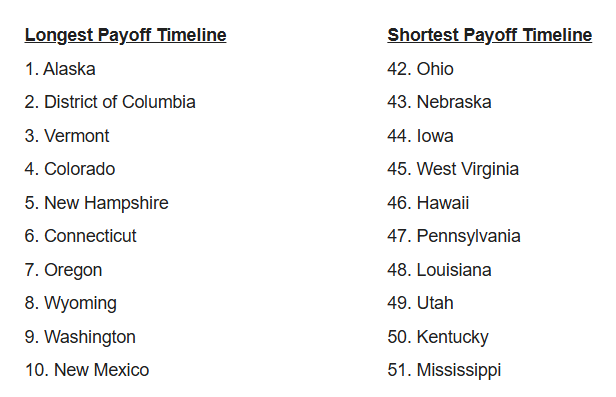
Americans aren’t all in the same boat when it comes to credit-card debt, though. People in some states charge less than others, whether because they have been less impacted by inflation, they are more responsible about their finances or a number of other factors. To determine which states have the least and most sustainable credit-card debts, WalletHub drew upon TransUnion credit data to calculate the cost and time required to pay off the median card balances of each of the 50 states and the District of Columbia.
Alongside the debt study, WalletHub also released its Financial Insecurity Survey, which examines the connection between people's financial self-image and their mental health.
“We drew upon data from TransUnion, the Federal Reserve, the U.S. Census Bureau and WalletHub’s proprietary credit card payoff calculator to determine the cost and time required to repay the median credit card balance in each of the 50 states and the District of Columbia,” WalletHub said.
Survey Key Findings
- Government Debt Anxiety: 63% of Americans say the U.S. government’s debt level is making them feel financially insecure
- Money and mental health: Nearly 3 in 4 people say their financial situation impacts their mental well-being
- Retail therapy: 61% of Americans say they spend money to improve their mood
- Financial Guidance Fears: Nearly 2 in 5 people are scared to ask for financial advice
- Widespread insecurity: 69% of Americans feel insecure about their finances
- Budgeting Confidence: 80% of Americans say budgeting makes them feel more financially secure
“Looking at the median credit card debt in a state can give you a good idea of whether people are struggling or doing well compared to people in other states, but it’s also important to look at how much residents put toward paying their debts off each month,” said Chip Lupo, WalletHub analyst. “Low average payments lead to long payoff timelines, which in turn lead to high amounts of interest accrued. For example, Vermont’s median credit card debt is relatively low, but it ranks as the state with the third-biggest debt problem due to low average monthly payments.
Alaska is the state with the biggest credit card debt problem, with the median amount per person reaching $3,683.
“Given that the average person in Alaska pays $259 toward their credit card bill each month, it would take more than 16 months to pay off their entire debt, and they would pay $553 in interest,” Lupo continued.