

ALEXANDRIA, Va.–NCUA’s director of the Office of Examination & Insurance, Kelly Lay, says there are no plans to change supervisory priorities during credit union examinations for the remainder of the year as a result of new data showing rising delinquencies and charge-offs at credit unions (see related reporting).
“Our supervisory priorities remain the same as what they were at the beginning of the year,” said Lay. “The areas we said we'd be looking at were liquidity risk, interest rate risk, and credit risk. Those are top of mind right now. We have throughout the year provided examiners with some training related to those areas.”
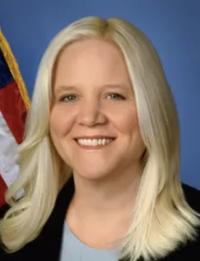
Kelly Lay
Lay said the agency is seeing some shift in CAMELS ratings as 1’s become 2’s and 3’s become 4’s, for example.
Some CRE Concerns
“Our examiners are being very diligent about reviewing those areas. We are doing the best that we can to keep them up to date in terms of training, better monitoring and analytical tools.”
NCUA Chairman Todd Harper said that with respect to overall commercial loan quality, the area that regulators are most concerned with is commercial real estate, “particularly large offices buildings that are not being brought back into fully productive uses in the post pandemic world."
The Good News
“The good news is credit unions have a relatively low exposure in this area,” said Harper. “They certainly do have some exposure when it comes to maybe some individual properties,” including strip malls.
Harper said the agency is paying attention to a few credit unions that have some particular exposure to commercial real estate risk, including CUs that have made investments in loans.
“Certainly, what credit unions need to be doing is they need to be looking at the loans that they have on their books, whether they are performing, how are they performing, and what are the risks in the marketplace,” said Harper. “They need to be potentially marking down those loans as soon as they start to see problems.”
Lay noted NCUA has earlier issued guidance related to loan modifications, including around commercial and non-commercial real estate.