

WASHINGTON–The acting chairman of the FDIC shared his thoughts on how the agency is approaching climate-related risks to the nation’s banks.
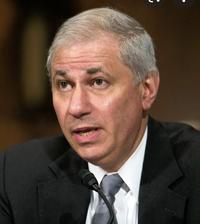
Martin J. Gruenberg
FDIC Acting Chairman Martin J. Gruenberg, speaking to the American Bankers Association Annual Convention on the topic “The Financial Risks of Climate Change,” said the subject has received considerable attention and is the source of some concern within the banking industry, particularly with smaller institutions.
Gruenberg said he wanted to stress two points:
- The FDIC’s core mission is to maintain stability and public confidence in the U.S. financial system. “Our role with respect to climate change is centered on the financial risks that climate change may pose to the banking system, and the extent to which those risks impact the FDIC’s core mission and responsibilities.”
- The FDIC is not responsible for climate policy. “As such, we will not be involved in determining which firms or sectors financial institutions should do business with. These types of credit allocation decisions are responsibilities of financial institutions.”
Coincidentally speaking at the same time Hurricane Ian was hitting southwestern Florida, Gruenberg said risks related to climate change are already being felt in the form of severe weather events, and that includes agricultural banks.
‘Challenge’ to the Future
“These trends challenge the future resiliency of the financial system and, in some circumstances, may pose safety and soundness risks to individual banks,” Gruenberg said. “It is the goal of our work on climate-related financial risk to ensure that the financial system continues to remain resilient despite these rising risks.
“There is broad consensus among financial regulatory bodies, both domestically and abroad, that the effects of climate change and the transition to reduced reliance on carbon-emitting sources of energy present unique and significant economic and financial risks, and, therefore, an emerging risk to the financial system and the safety and soundness of financial institutions,” he continued.
Defining Climate-Related Financial Risk
Financial institutions are likely to be affected by both the physical risks and transition risks associated with climate change. Together these are generally referred to as climate-related financial risks.
Additional Risks
Gruenberg also outlined other climate-related risks, including physical risks and transition risks, and noted the FDIC issued a request for comment in March on draft principles that would provide a high-level framework for the safe and sound management of exposures to climate-related financial risks.
“We cannot escape climate change, its risk, or its uncertainties, but we, as leaders, can prepare for it,” he said. “And we have a responsibility and an obligation to our organizations and our communities to do so.”
Gruenberg’s full comments can be found here.
The Very Best in CU Reporting. Every Morning. To Your Inbox. At a Total Cost of ‘Free!’
Don’t forget to check your Spam/Junk email folder if you haven’t been receiving your free, popular and daily CUToday.info news headlines.
And if you haven’t yet signed up for the new email solution on which CUToday.info has partnered with ResponseGenius, you can do so here. Signing up requires less than one minute of your time.
CUToday.info has received very positive response from readers following the move to an improved provider of the daily headlines, but many also noted they did need to go to their Spam/Junk folder and mark it as safe.
The new email solution has not only improved every reader’s delivery experience, but it also features a fresh, new format that is easy to read, especially on mobile devices.
Please note and/or make your IT department or email administrator aware the emails will be coming from the domains CUTodayinfo.com and CUTodayinfoReply.com.