

ARLINGTON, Va.—Transfer warranties and presentment warranties can affect the model Uniform Commercial Code's (UCC) allocation of loss rules for fraudulent and altered checks, NAFCU is reminding.
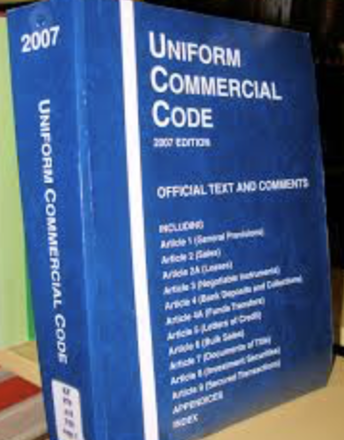
NAFCU Regulatory Compliance Counsel David Park said that every time a check is presented for payment, the presenting bank and the earlier transferors warrant several things under the UCC's rules, including that a check is not altered.
If a check is altered, "there is a potential breach of the transfer and presentment warranties by the warrantor. But the UCC expressly discharges a warrantor's liability in certain circumstances," explained Park.
The UCC's rules explain that if a notice of a breach of warranty claim is given to a warrantor more than 30 days after the claimant knows of the breach of the aforementioned warranties, then the warrantor could theoretically be discharged from liability for the breach, Park said.
Two Limitations
Park, however, noted two limitations even if notice of the claim comes after 30 days.
"First, the 30 days does not begin to run until the claimant – the paying bank in our example – has reason to know of the breach and the identity of the warrantor," Park said. "Second, even if the notice fell outside of the 30 day window, the statute suggests that a warrantor is only discharged to the extent of any loss caused by the delay in giving notice of the claim."
Park said that while the 30-day window could provide some cover for a potential breach, it may not be helpful in some circumstances.