

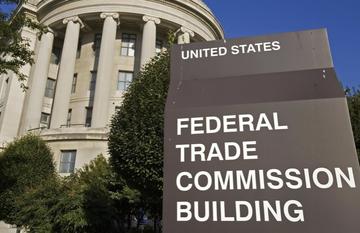
WASHINGTON–Credit unions, their vendors and CUSOs are joining other companies in assessing what the Federal Trade Commission’s proposed ban of noncompete clauses in employment contracts could mean for worker mobility, wages and the way future compensation agreements are structured.
“While a full or partial ban could expand the pool of potential hires, it also would weaken a tool that employers have come to rely on to retain talent and protect trade secrets and other proprietary information, lawyers say,” noted The Wall Street Journal in its analysis. “More companies likely would turn to a patchwork of alternative mechanisms to keep people from leaving and taking valuable information with them, including nondisclosure agreements and employment contracts that reward longevity, they say.”
‘Growing Hostility’
Matthew Durham, a Salt Lake City-based attorney with Dorsey & Whitney LLP, told the Journal that employers have been operating with an understanding they can protect their interests through noncompetes, but “What you’re seeing, reflected in the FTC proposal and elsewhere, is a growing hostility to the idea that there should be those kinds of restrictions, and it’s changing the environment that employers have been comfortable with in the last number of years.”
As CUToday.info reported earlier, the FTC has proposed a ban on nearly all noncompetes, saying that the clauses—which typically prohibit workers from moving to a new employer or starting new ventures of their own—put a crimp in competition in the labor market, suppress wages and stymie innovation and entrepreneurship. The proposal came in response to an executive order from President Biden in 2021.
Proposal May Narrow
Durham told the Journal that he and others believe the FTC may narrow its rule after hearing comments from the public, including employers and business organizations that have already signaled their opposition to the current proposal. The agency could, for example, allow noncompetes for highly compensated workers.
As the Journal noted, noncompetes are common in employment contracts for senior employees like software engineers, for which credit unions, CUSOs and fintechs are always fighting for talent, in addition to sales representatives and top executives. But they have also expanded to other types of work and, according to the FTC, one in five U.S. workers is currently subject to a noncompete clause.
As the Journal further explained, noncompetes are regulated at the state level, and many states have already taken action to limit use of the clauses by, in some cases, forbidding employers from imposing them on people earning under a particular wage threshold or for certain types of workers.
Some states, such as California and Oklahoma, hold that the clauses are unenforceable in all or nearly all employment contracts.
Getting More ‘Creative’
“Observers on both sides say that limitations on the clauses will compel employers to get more creative about how they retain talent, using everything from compensation to career advancement to keep workers engaged and loyal to the company,” the Journal. “Some companies use deferred compensation—such as retention bonuses or rolling stock options that vest after, say, three years—to give people incentives to stay.”
The FTC proposal is out for 60-day comment.