

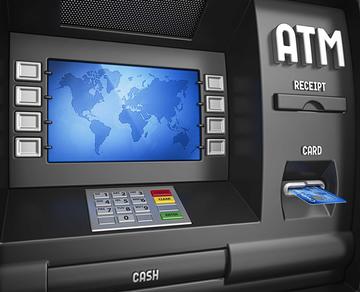
RESTON, Va.–With the ATM turning 50 in 2017, a new report finds consumers on three different continents behave differently when it comes to how they use ATMs.
According to a new report from Transaction Network Services, which looked at consumers in the U.S., U.K. and Australia, there are differences in how frequently people use ATMs, whether they have used ATMs at mobile and temporary sites, whether they have used ATMs in other countries, and their willingness to pay ATM fees. It also explores the reasons why some chose not to use ATMs.
Among the findings in the report, called Global Variances in ATM Usage:
* U.K. adults are the biggest and most frequent users of ATMs. “Sixty percent of respondents that said they used ATMs said they only did so to withdraw cash, they do not use any of the additional services available,” the report states.
* Americans are most willing to pay a small token charge to use an ATM. “Age appears to influence consumer willingness to pay a charge with those aged 25 to 34 years across the U.S., U.K. and Australia being the most accepting,” the report notes.
* Australians are the largest adopters of ATMs at open-air venues, such as festivals
* Among those who do not use ATMs, the biggest reported reason collectively for this was a belief the machines are not safe, but the top reason within each specific country varied.
Lisa Shipley, executive vice president and managing director of TNS’ Payments Division, said: “This year we are celebrating the 50th anniversary of the first ATM. This technology has evolved and expanded beyond simply being an additional bank managed service and has created a thriving industry of ATM operators and deployers.
“As we look to the future, it’s vital that we understand how changing consumer habits are influencing this cornerstone of the payments industry, and TNS is delighted to be bringing you this interesting new report,” said Lisa Shipley, managing director of TNS’ Payments Division.
The Global Variances in ATM Usage report is available to download by clicking here.