
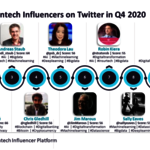
LONDON–Artificial intelligence (AI), banking and insurtech emerged as the most mentioned trends among fintech influencer discussions on Twitter during the fourth quarter (Q4) of 2020, according to GlobalData, a provider of data and analytics.


LONDON–Artificial intelligence (AI), banking and insurtech emerged as the most mentioned trends among fintech influencer discussions on Twitter during the fourth quarter (Q4) of 2020, according to GlobalData, a provider of data and analytics.

PURCHASE, N.Y.—Mastercard plans to increase the fees E.U. firms face to take payments from online shoppers from the U.K. by at least 400%, in a move that could mean higher prices for consumers, The Guardian reported.

WASHINGTON–A “first peek” at full-year 2020 performance data for credit unions reveals what many CU leaders already know: It was a big year for savings and a poor year for lending outside of one category.

ARLINGTON, Va.–The trade groups continue to watch the stimulus and relief legislation being championed by the Biden Administration as well as the direction of the CFPB as both are coming more clearly into focus.

WASHINGTON—Non-farm payrolls increased 49,000 in January, with the unemployment rate decreasing to 6.3%, according to new data from the Bureau of Labor Statistics.

WASHINGTON—Sen. Sherrod Brown (D-OH), who is the new chairman of the Senate Banking, Housing and Urban Affairs Committee, said he is willing to consider moving on legislation that would allow the cannabis industry access to the banking system if the measure is coupled with sentencing reform for drug offenses.

ST. PETERSBURG, Fla.–Card payment data softened a bit among credit union cardholders in the latest analysis released by PSCU, although debit purchases during January saw one of their strongest increases ever.

WASHINGTON–CUNA’s Credit Union System COVID-19 Restart and Recovery Task Force has released its second and final “industry outlook” with a goal of providing guidance and strategies for credit unions recovering from the impact of the pandemic. The Task Force has now disbanded, with the trade group announcing a new initiative it said will focus on digitization in the age of the pandemic.

TALLAHASSEE, Fla.– United Solutions Company (USC) and Coconut Software have agreed to a partnership.

RICHMOND, Va.—The Virginia House and Senate have passed legislation to establish a consumer data protection law in the state, but it comes with a provision not found in the earlier California Consumer Privacy Act (CCPA) that many have held up as a model--the Virginia bill includes language to exclude entities covered by the federal Gramm-Leach-Bliley Act (GLBA), including credit unions.